
Colour Realism Tattoos: What to Know Before You Book
Colour realism is vivid, saturated and true to life: wildlife that looks ready to move, flowers you could almost smell, portraits with real depth. It's also a style where planning and aftercare matter a great deal. Here's what to think about before you book.
What is colour realism?
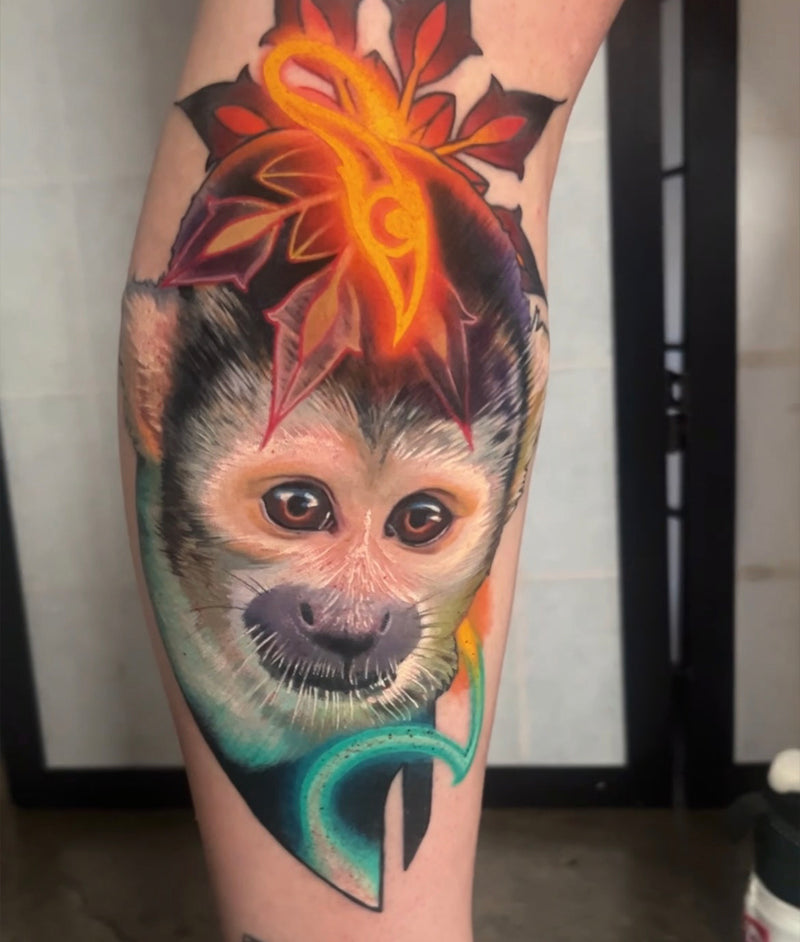
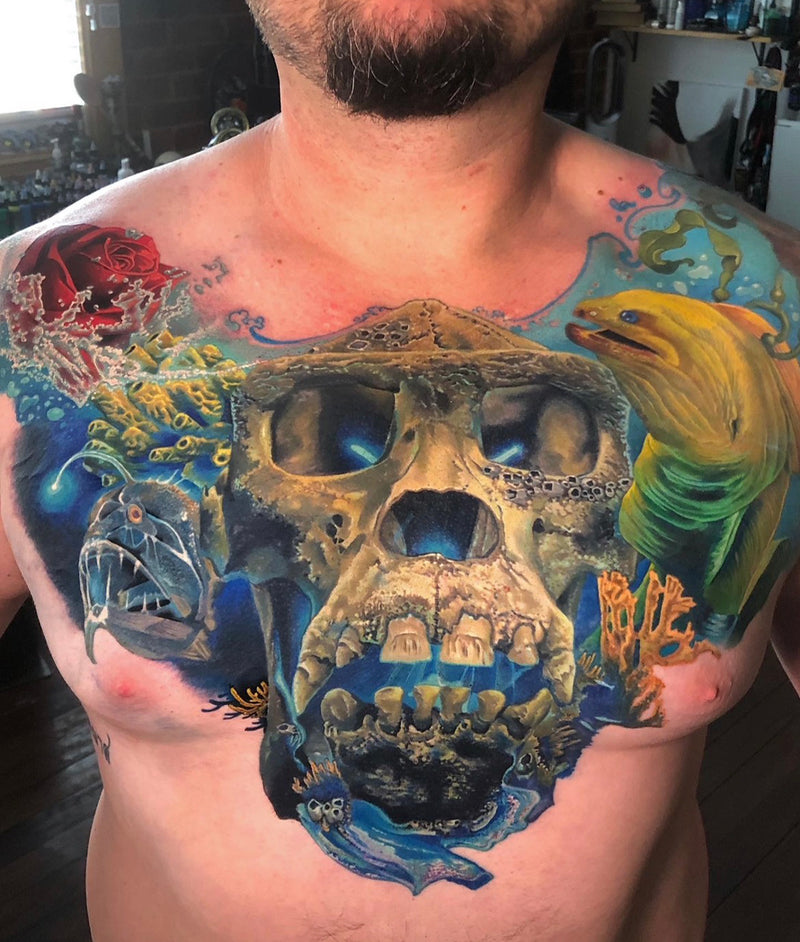
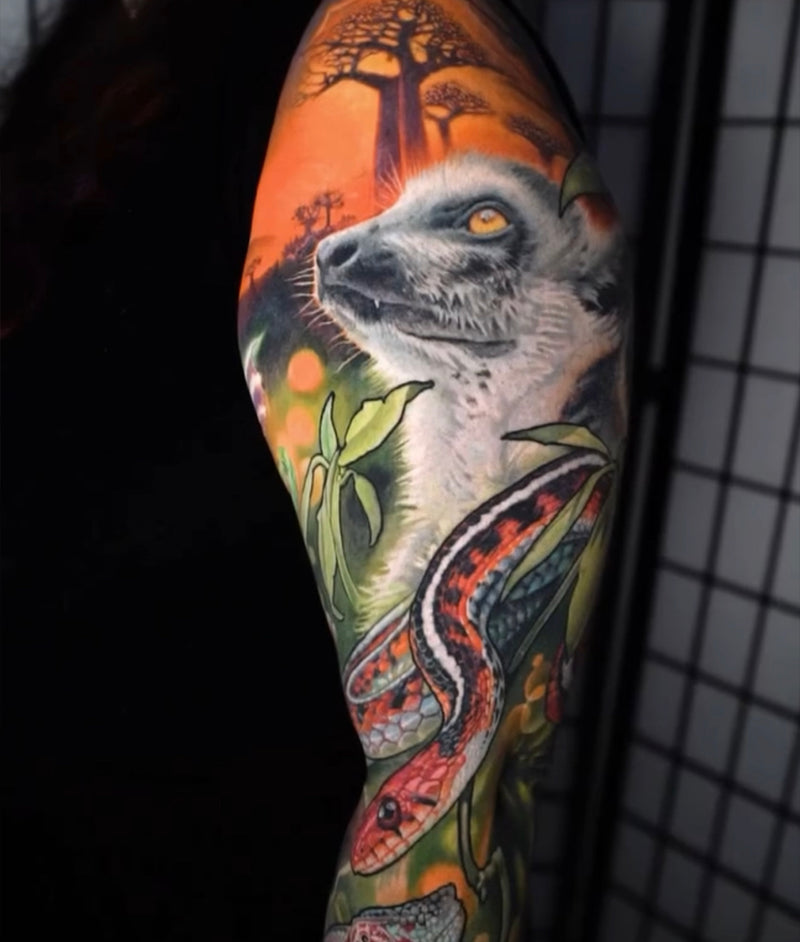
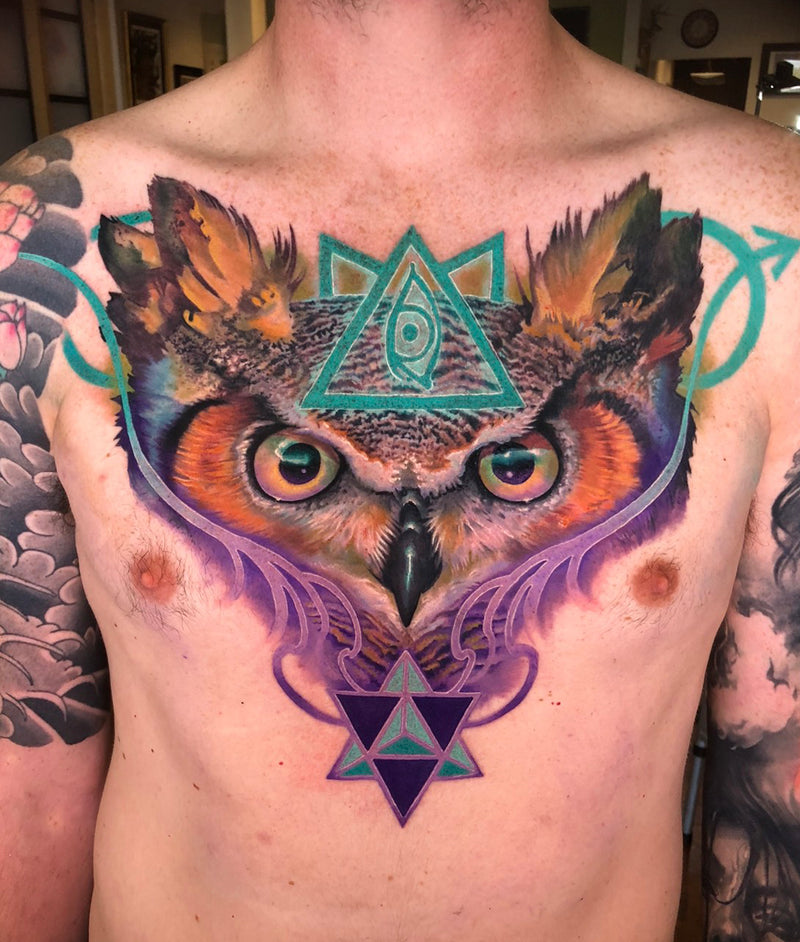
Colour realism recreates a subject with lifelike colour, light and texture, built up in layers rather than relying on outlines. The best pieces use strong contrast between light and dark so the image still reads clearly years down the track.
Subjects that work beautifully
- Wildlife: big cats, birds, primates and reptiles, where colour and texture really shine.
- Florals and botanicals: roses, peonies, fruit and leaves.
- Portraits: people and pets, using a sharp, well-lit reference.
- Surreal compositions: combining realistic elements into a dreamlike scene.
Give it room
Colour realism needs space for its detail and blending. Small pieces lose depth as the ink settles, so your artist will recommend a size that lets the subject hold up. Larger pieces on the arms, legs, chest or back give the most dramatic results.
Skin tone and colour
Colour shows differently on every skin tone. A good artist adjusts the palette and contrast to suit your skin so the piece looks vibrant once healed, not just on the day. Bring up any questions at your consultation.
Sun is the enemy
Bright colours, especially lighter tones, are more sensitive to UV over time. Once healed, sunscreen or covering up will keep your colour realism looking fresh for much longer.
Healing and sessions
Colour work is often built over more than one session, particularly for larger pieces, with healing time between each. Follow your aftercare closely, as healing well is a big part of how bright the final result looks.
Our colour realism artist
Colour realism at Umbra is led by Frederick Bain, who has been tattooing since 2006 and is known for vivid wildlife, birds, animals and flowers.
Frequently asked questions
Does colour realism fade faster than black and grey?
Lighter colours can soften faster with sun exposure. Good contrast and sun protection make a big difference.
Can colour realism go over an old tattoo?
Sometimes. It depends on how dark the existing tattoo is. Send a photo with your enquiry and your artist will advise.
What should my reference photo look like?
Sharp, well lit and high resolution, with the colours you want to see in the final piece.
Ready for your colour realism piece?
Tell us your subject and placement and we'll set up a consultation to plan the piece.
Instant quote & bookingEnquiry form